
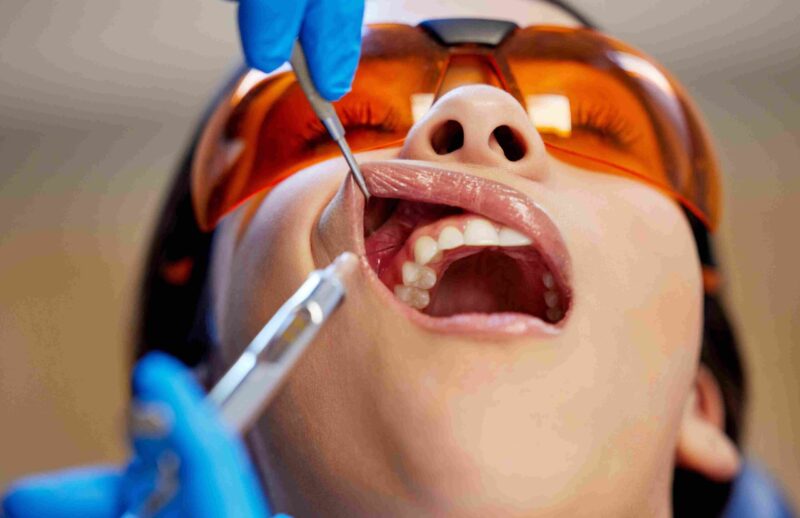
A toothache can look harmless at first: a dull pulse after dinner, a sharp sting with cold water, pressure near one molar. Yet dental pain can also be an early warning sign of infection, trauma, nerve exposure, or swelling that may spread beyond the tooth.
Waiting until Monday may be reasonable for mild sensitivity that comes and goes. Severe pain, facial swelling, fever, trouble swallowing, uncontrolled bleeding, or a broken tooth with sharp pain belong in a different category.
Dental emergencies need same-day care because delay can raise the risk of infection spreading, tooth loss, or hospital treatment. The American Dental Association describes dental emergencies as problems requiring immediate treatment to control severe pain, bleeding, infection, or airway risk.
Quick Emergency Check
| Symptom | What It May Suggest | Best Next Step |
| Swelling in the face, jaw, eye area, or neck | Spreading infection or abscess | Same-day emergency dental or medical care |
| Trouble breathing, swallowing, or speaking | Possible airway involvement | Emergency department or local emergency number |
| Fever with tooth pain | Infection may be spreading | Urgent evaluation |
| Severe throbbing pain that will not settle | Abscess, nerve inflammation, deep decay | Emergency dentist |
| Pus, bad taste, or gum “pimple” | Dental abscess | Prompt dental treatment |
| Broken tooth with pain or exposed inner tooth | Fracture or nerve exposure | Same-day dental care |
| Pain after facial trauma | Tooth, jaw, or bone injury | Emergency dental or medical care |
| Uncontrolled bleeding | Soft tissue injury or trauma | Emergency care |
| Toothache lasting more than 1 to 2 days | Problem unlikely to resolve alone | Dentist soon, urgent if worsening |
1. Facial Swelling Around The Jaw, Cheek, Eye, Or Neck

Swelling changes the whole picture. A toothache with swelling may mean bacteria have moved beyond a cavity and formed an abscess. Mayo Clinic lists swelling in the face, cheek, or neck as a tooth abscess symptom, especially when paired with fever, pain on biting, or swollen lymph nodes.
A small gum bump near one tooth still needs dental care, but swelling that spreads across the cheek, under the jaw, toward the eye, or down the neck deserves urgent attention.
In Oslo, Akutt Tannlege Oslo can be a relevant contact point for urgent dental evaluation when swelling appears with tooth pain, especially when the problem may involve an abscess or infection.
NHS guidance says toothache with swelling around the eye or neck, or swelling that affects breathing, swallowing, or speech, needs emergency care.
2. Trouble Breathing, Swallowing, Or Speaking
Any dental pain paired with breathing or swallowing trouble should be treated as a medical emergency. Infection in the mouth can spread into soft tissues of the floor of the mouth, throat, or neck. In rare cases, swelling can threaten the airway.
Going to a hospital emergency department is advisable if a toothache comes with trouble breathing or swallowing. NHS gives similar guidance and adds that patients should not drive themselves when airway symptoms are present.
3. Fever Alongside Tooth Pain

A fever means the body may be reacting to infection. A tooth abscess can cause fever, swollen lymph nodes, throbbing pain, and swelling. Cleveland Clinic describes an abscess as a pocket of pus caused by bacterial infection, and notes that infection can spread to nearby bone and neighboring teeth.
Fever with a toothache should not be treated as a routine cavity symptom. Call an emergency dentist or urgent care provider, especially when fever appears with facial swelling, chills, fatigue, or pain that keeps getting worse.
4. Severe, Constant, Throbbing Pain
Pain intensity matters. A mild ache after biting popcorn may wait for the next available appointment. Severe, constant, throbbing pain that spreads to the jaw, ear, neck, or temple may point to abscess, advanced decay, or inflamed tooth pulp.
A severe throbbing toothache that can radiate into the jawbone, neck, or ear are among the common symptoms of a tooth abscess. MedlinePlus also advises medical care for a severe toothache, toothache lasting more than a day or 2, fever, earache, or pain when opening the mouth wide.
5. A Gum “Pimple,” Pus, Or Bad Taste In The Mouth
A pimple-like bump on the gum near a painful tooth can be a draining abscess. Some people notice a sudden salty, foul-tasting fluid in the mouth followed by temporary pain relief. Relief can be misleading because drainage does not remove the source of infection.
MedlinePlus warns that dental abscess complications may include tooth loss, infection spreading into soft tissue or jaw bone, and infection spreading to other parts of the body. A bubble or pimple on the gums with throbbing pain should prompt a dentist call.
6. Pain When Biting, Chewing, Or Releasing The Bite
Sharp pain when biting down can mean a cracked tooth, inflamed ligament, abscess, or deep decay. Cracks are tricky because they may hurt one moment and feel normal the next. Many patients describe pain when chewing on one side, then a sharp zing when releasing pressure.
The American Association of Endodontists says cracked teeth can be treated more predictably when addressed early, and ongoing tooth pain may come from decay, a crack, or infection.
Pain on biting also appears in Mayo Clinic’s toothache first-aid guidance as a possible sign of infection, especially when paired with swelling, red gums, fever, or bad-tasting discharge.
7. A Broken, Cracked, Or Knocked-Out Tooth
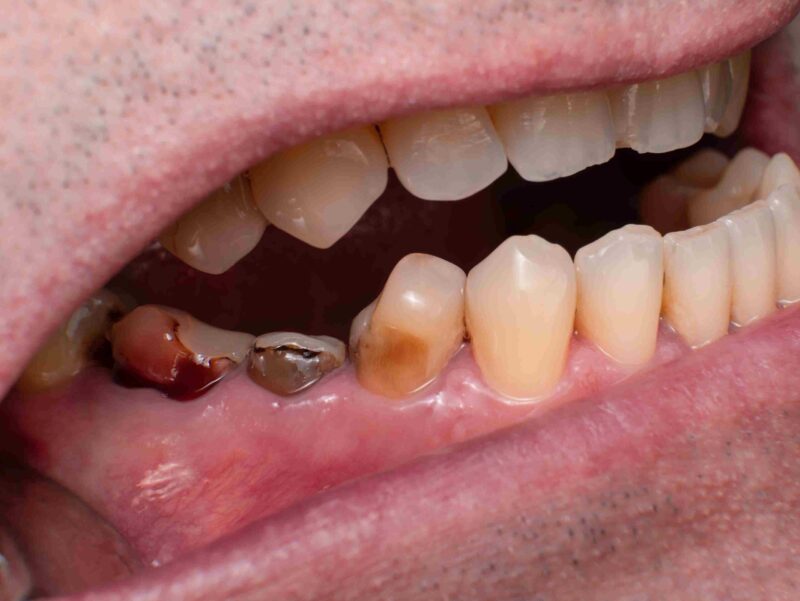
A broken tooth can expose sensitive inner layers, create sharp edges that cut the tongue or cheek, or open a path for bacteria. A knocked-out adult tooth is especially time-sensitive because fast dental care can improve the chance of saving it.
For cracked teeth, the ADA recommends rinsing with warm water and using cold compresses on the face to reduce swelling.
For toothaches, ADA guidance also recommends rinsing with warm water, gently flossing to remove trapped food, and avoiding aspirin placed directly on gums because it may burn gum tissue.
8. Bleeding That Will Not Stop
Bleeding after brushing is usually a gum-health issue, but bleeding after trauma, extraction, a cut, or a broken tooth needs closer attention. The ADA places uncontrolled bleeding among dental emergencies requiring immediate treatment.
Apply clean gauze with firm pressure. Seek emergency care if bleeding continues, pools quickly, follows facial trauma, or comes with dizziness, weakness, or blood-thinning medication use.
9. Toothache That Keeps Worsening Or Lasts More Than 1 To 2 Days

A toothache that lasts more than a day or 2 deserves a call to a dentist, even without dramatic symptoms like swelling or severe headaches. Tooth pain rarely improves permanently when decay, infection, or a crack is involved. Painkillers may mask symptoms for a few hours, but they do not treat the cause.
NHS advises seeing a dentist when toothache lasts more than 2 days. Mayo Clinic similarly recommends calling a dentist or doctor right away for pain lasting more than a day or 2, fever, swelling, pain when biting, red gums, or foul-tasting discharge.
Why Weekend Toothaches Often Escalate
Dental pain tends to flare at inconvenient times because pressure, inflammation, and infection do not follow office hours. Many people try to “make it through the weekend” with pain relievers, soft food, and ice packs. That may be reasonable for mild discomfort, but severe symptoms need faster action.
Emergency departments still see a large number of dental problems. CDC National Center for Health Statistics data published in June 2025 found an average annual emergency department visit rate of 59.4 visits per 10,000 people for tooth disorders in 2020 to 2022.
The rate fell from earlier periods, but oral disease still causes pain and infection that lead to unplanned emergency care.
What To Do Before You Reach A Dentist
Home care can help control discomfort while arranging professional care, but it should not replace treatment for infection, trauma, or severe pain.
- Rinse gently with warm water.
- Floss carefully around the painful area in case food is trapped.
- Use a cold compress on the outside of the cheek for swelling.
- Eat soft foods and avoid chewing on the painful side.
- Use over-the-counter pain relief only as directed on the label.
- Do not place aspirin directly on the tooth or gums.
The ADA specifically warns against putting aspirin on aching gums or teeth because it may burn the tissue.

When To Go To The Emergency Department Instead Of Waiting For A Dentist
A dentist is usually the right professional for tooth pain. An emergency department becomes the safer choice when symptoms suggest spreading infection, airway risk, major trauma, or uncontrolled bleeding.
- Difficulty breathing, swallowing, or speaking
- Swelling in the neck, under the jaw, around the eye, or rapidly across the face
- Fever with facial swelling
- Severe trauma to the mouth, jaw, or face
- Bleeding that will not stop
- Confusion, weakness, dehydration, or feeling severely ill
Hospitals may not provide definitive dental treatment such as a root canal or extraction, but they can treat dangerous infection, pain, swelling, dehydration, trauma, and airway risk.
Summary
A toothache becomes a dental emergency when pain is severe, swelling spreads, fever appears, breathing or swallowing changes, bleeding will not stop, or trauma damages a tooth.
Mild pain can sometimes wait for a regular appointment, but warning signs should be handled the same day. Fast care can protect the tooth, control infection, and prevent a painful weekend from becoming a medical crisis.